


Driven by experience
Exporter of Rubber Products worldwide


Your garage floor deals with a lot every day. Cars, bikes, tools, oil, grease, water, mud, and heavy equipment can all leave marks or cause damage. A good rubber mat can protect your floor, make your garage safer, and give you a more comfortable surface to work on. But choosing the right rubber mat for your garage is not as simple as picking the thickest or cheapest option. The right mat depends on how you use your garage, the type of vehicle or equipment you work with, the floor underneath, and the kind of protection you need.
Whether you use your garage for parking, vehicle repairs, DIY projects, or professional mechanical work, this guide will help you understand what to look for when choosing a rubber garage mat.
Why Should You Use a Rubber Mat in Your Garage?
A rubber mat adds a protective layer between your garage floor and the activities happening above it. Concrete floors are strong, but they can still develop stains, cracks, scratches, and surface damage over time.
Rubber mats help protect the floor from oil, grease, water, dirt, and other common garage messes. They can also reduce the impact of dropped tools and equipment. For mechanics, rubber mats offer another important advantage: comfort. Standing on hard concrete for several hours can put pressure on your feet, knees, and back. A properly designed rubber mat provides some cushioning and makes long periods of standing more comfortable.
Rubber also provides better traction than a smooth concrete surface. This can help reduce slipping when the floor becomes wet or oily, although you should still clean spills as soon as possible.
Tips on How You Use Your Garage
The first step in choosing the right rubber mat is to think about what happens in your garage. If you mainly use your garage to park your car, you may need a mat that protects the floor from water, dirt, road salt, and occasional fluid leaks. In this case, a durable mat with a surface that is easy to clean can be a practical choice.
If you regularly work on cars, motorcycles, or other vehicles, your requirements will be different. A mechanic needs a mat that can handle tools, oil, grease, chemicals, heavy equipment, and frequent foot traffic. Durability and resistance should be higher on your priority list.
For a home workshop, you may want a mat that provides both floor protection and comfort. If you spend hours standing at a workbench, an anti-fatigue rubber mat can make a noticeable difference. Understanding your garage use will help you avoid buying a mat that does not match your needs.
Choose the Right Rubber Mat Material
Not every rubber mat offers the same level of performance. The material can affect durability, flexibility, chemical resistance, grip, and lifespan. Natural rubber is flexible and provides good cushioning. It can work well in areas where comfort and grip are important. However, you should check the manufacturer's specifications if you expect regular exposure to oils, fuels, or harsh chemicals.
Synthetic rubber is often preferred for demanding garage and workshop environments. Materials such as nitrile rubber are known for better resistance to oils and petroleum-based fluids, making them a popular option for automotive and mechanical applications. When choosing a rubber garage mat, look beyond the word "rubber." Check what type of rubber the mat uses and whether the manufacturer recommends it for automotive, industrial, or workshop applications.
Check the Mat Thickness
Mat thickness affects comfort, durability, and protection. However, thicker does not always mean better. A thin rubber mat may be suitable for basic floor protection or areas with lighter use. It is generally easier to move and store. A thicker mat can provide more cushioning and better protection against heavy use. If you spend several hours repairing vehicles or working at a garage workstation, additional thickness may improve comfort.
For areas where heavy tools or equipment are used, a robust mat can also help absorb impact. However, extremely thick mats may create problems around doors, ramps, vehicle movement, or floor transitions. Choose a thickness based on the work you actually do rather than simply selecting the thickest product available.
Look for Oil and Chemical Resistance
Oil and grease are common in garages, especially if you work on vehicles. Some rubber materials can deteriorate when they come into regular contact with petroleum-based fluids or certain chemicals.
If you are a mechanic or regularly perform automotive repairs, oil resistance should be one of your main considerations. Look for mats specifically designed for garages, workshops, automotive applications, or industrial environments. Check the product specifications for information about resistance to oil, grease, fuel, solvents, and other chemicals you commonly use. Even a chemical-resistant mat should not be left covered in oil for long periods. Clean spills promptly to keep the surface in good condition and maintain a safer workspace.
Pay Attention to the Surface Pattern
The surface design of a rubber mat affects both grip and cleaning. A textured or patterned surface can provide better traction, which is useful when you are walking around vehicles or working with wet footwear. Some patterns are designed to help contain small amounts of liquid or dirt. However, a heavily textured surface can be harder to clean. Oil, dust, and small particles may collect in the grooves. If your garage gets dirty frequently, consider how easily you can sweep, wash, or wipe the mat. A good balance between traction and easy maintenance is usually more practical than choosing an extremely aggressive texture.
Choose the Correct Size
Measure your garage area before buying a rubber mat. Do not estimate the size based only on photographs or product descriptions.
- For a vehicle parking area, measure the space where you want the mat to sit and consider the position of the vehicle's tyres. You may want a larger mat that covers the main area beneath the vehicle or smaller mats positioned under individual wheels.
- For a workshop, measure the area where you stand and work. A mat placed under a workbench or repair station should give you enough room to move naturally without constantly stepping off the mat.
Also consider doors, cabinets, ramps, floor drains, and other obstacles. A mat that fits perfectly on paper may become inconvenient if it blocks a door or creates an uneven transition.
Think About Slip Resistance
Safety should be a major factor when choosing a garage floor mat. Water, oil, coolant, and other liquids can make garage floors slippery. A rubber mat with a suitable textured surface can provide additional traction under normal working conditions.
You should also consider how well the mat stays in place. A mat that curls, slides, or moves under your feet can create a trip hazard. Look for a mat with good dimensional stability and a design suitable for the floor underneath. Keep the area beneath the mat clean and dry, and replace a mat if it becomes badly damaged or develops permanent curling.
Consider Drainage and Spill Protection
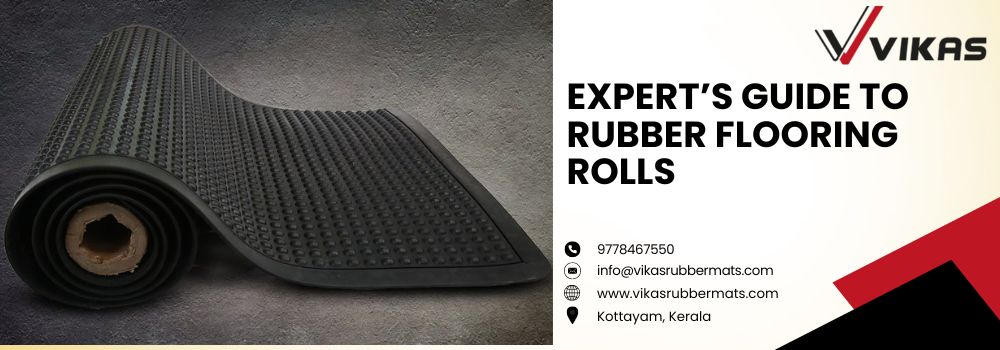
If you regularly wash vehicles or deal with liquids, think about how the mat handles water and spills. Some garage mats are designed with raised edges or channels that help keep liquids from spreading across the floor. These can be useful when your main goal is to protect the concrete from vehicle fluids or water. Other mats have a relatively flat design that works better in workshops where you want to move tools, carts, or equipment easily.
Think about your daily work before choosing the design. A spill-containment mat can be useful for parking, while a flat anti-fatigue mat may be more convenient around a workbench.
Make Sure the Mat Is Easy to Clean
Your garage mat will eventually become dirty. Dust, mud, tyre marks, oil, grease, and metal particles can build up on the surface. That is why cleaning should be part of your buying decision. Ask yourself whether you can easily remove the mat, sweep it, wash it, or wipe it down. A lightweight mat may be easier to clean and move, while a heavier industrial mat may stay firmly in place but require more effort to handle. Also check the manufacturer's cleaning instructions. Some rubber products may require specific cleaning methods, particularly if they have special coatings or surface treatments.
Check Temperature and Weather Conditions
Garages can experience large temperature changes. Depending on your location and whether your garage is enclosed, the floor may become very hot or cold. If your garage has direct exposure to sunlight, moisture, or outdoor conditions, choose a mat designed to handle the environment where you plan to use it.
For garages with vehicle entrances, also consider water, mud, snow, or road debris that may be brought inside. A durable rubber mat designed for demanding conditions will generally perform better than a lightweight household mat.
Think About Installation and Maintenance
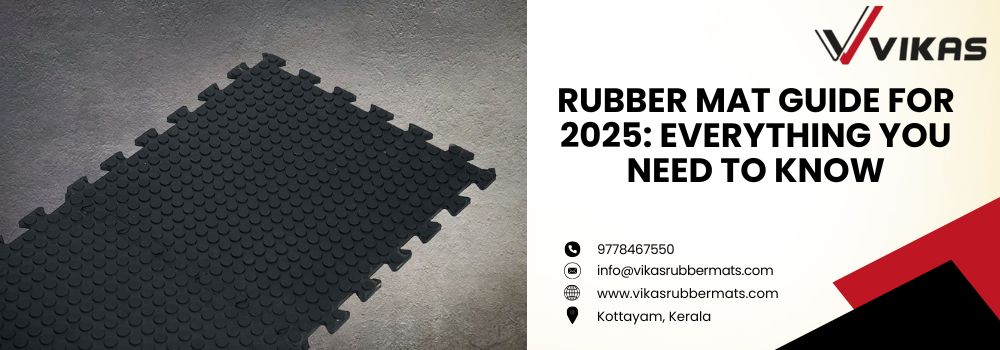
Before buying a rubber mat, consider how you will install and maintain it. Some mats simply lay flat on the floor and require no permanent installation. These are convenient if you want to move or replace them later. Interlocking rubber tiles can be useful when you want to cover a larger garage area. You can create the size you need and replace individual damaged sections instead of removing the entire floor covering.
For permanent installations, follow the manufacturer's instructions carefully. The condition of your concrete floor also matters. It should be clean, dry, and suitable for the selected product. Regular maintenance will extend the life of your mat. Clean dirt and spills, inspect the edges, and check for cracks, tears, or excessive wear.
Do Not Choose a Rubber Mat Based Only on Price
Price is important, but it should not be the only factor. A low-cost mat may seem like a good deal initially, but replacing it frequently can cost more over time. A higher-quality rubber mat may provide better durability, comfort, chemical resistance, and overall performance.
Instead of asking, "Which mat is cheapest?" ask, "Which mat gives me the right performance for my garage?"
For occasional parking, you may not need an industrial-grade product. For a professional workshop or busy mechanical garage, spending more on a durable, purpose-built mat may make better financial sense.
Rubber Mat vs. Other Garage Flooring Options
Rubber mats are only one option for protecting your garage floor. You can also consider epoxy coatings, garage tiles, concrete sealers, and other flooring systems. Rubber mats have one major advantage: they are relatively easy to install and replace. You can place them exactly where you need protection without changing the entire floor.
They also provide cushioning, which can be valuable for mechanics and people who spend long hours working in a garage. If you want a complete floor finish, however, a permanent coating or tile system may be more suitable. Your choice should depend on whether your main priority is protection, comfort, appearance, durability, or ease of replacement.
Common Mistakes to Avoid When Buying a Garage Rubber Mat
One common mistake is buying a mat without measuring the space first. Always check the dimensions before ordering. Another mistake is choosing a mat based only on thickness. A thick mat made from the wrong material may perform worse than a thinner mat designed for your application. You should also avoid ignoring chemical resistance if you regularly work with oil, fuel, solvents, or automotive fluids. Finally, do not overlook maintenance. Even the best rubber mat will wear faster if you leave oil, dirt, and moisture on it for long periods.
How to Choose the Right Rubber Mat for Your Garage
Choosing the right rubber mat becomes easier when you focus on your actual garage needs. Start by identifying how you use the space. Then consider the material, thickness, size, surface pattern, chemical resistance, slip resistance, and cleaning requirements. If you mainly park your vehicle, prioritise floor protection, water resistance, easy cleaning, and suitable coverage. If you are a mechanic, focus more on durability, oil resistance, traction, impact protection, and long-term comfort. The best rubber mat is not necessarily the biggest, thickest, or most expensive one. It is the mat that matches your working conditions and gives you the protection and comfort you need.
A well-chosen rubber garage mat can help keep your floor cleaner, make your workspace more comfortable, and protect your garage from everyday wear. Take the time to compare the specifications and choose a product designed for the way you use your garage.
FAQs About Choosing a Rubber Mat for Your Garage
What type of rubber mat is best for a garage?
The best rubber mat depends on how you use your garage. For general parking, choose a durable and easy-to-clean mat. For mechanical work, look for a mat with good oil and chemical resistance, strong grip, and high durability.
What thickness should a garage rubber mat be?
There is no single thickness that works for every garage. A thinner mat may be enough for basic floor protection, while a thicker mat can provide additional cushioning and impact protection for workshops and mechanical work. Choose based on your application, not thickness alone.
Are rubber mats good for mechanics?
Yes. Rubber mats can be useful for mechanics because they provide cushioning, improve traction, and protect concrete floors from tools, oil, grease, and general workshop activity. For automotive work, choose a mat specifically designed to handle the conditions of a mechanical environment.
Are rubber garage mats resistant to oil?
Some are, while others are not. Oil resistance depends on the type of rubber and the product's construction. If you regularly work with engine oil or other automotive fluids, check the manufacturer's specifications before buying.
Can I use a rubber mat on a concrete garage floor?
Yes. Rubber mats are commonly used over concrete garage floors. Make sure the concrete is clean, dry, and reasonably level before placing the mat.
How do I clean a rubber garage mat?
The cleaning method depends on the mat. In general, remove loose dirt first and then clean the surface according to the manufacturer's instructions. Clean oil, grease, and chemical spills promptly instead of allowing them to remain on the mat.
Do rubber mats prevent garage floors from getting damaged?
They can help protect garage floors from stains, scratches, impact, moisture, and general wear. However, the level of protection depends on the mat's material, thickness, coverage, and intended application.
Are thicker rubber mats always better?
No. Thickness is only one factor. A mat with the right material, chemical resistance, surface design, and durability can be more suitable than a thicker mat that is not designed for garage use.
How do I stop a rubber garage mat from moving?
Choose a mat designed to stay flat and use it on a clean, suitable surface. Make sure the mat is fully flat before use. If it continues to move or curl, check whether the manufacturer recommends a specific installation method or anti-slip solution.
Should I choose a rubber mat or epoxy flooring for my garage?
It depends on your needs. Rubber mats are convenient, replaceable, and provide cushioning. Epoxy flooring creates a more permanent, seamless floor finish. If you are a mechanic who spends long hours standing in specific work areas, rubber mats can provide comfort even if your garage already has an epoxy floor.


Certification


