


Driven by experience
Exporter of Rubber Products worldwide


When it comes to constructing or refurbishing a commercial gym, one of the most important things you will have to do is to choose the right flooring. It is not only a matter of viewing; it is also a matter of safety, longevity, performance, and noise reduction. A commercial fitness centre's high-impact, high-traffic area needs incomparable materials crafted or allocated to various workout zones. The improper flooring selection not only brings about high replacement costs but also causes damage to the facility and, more importantly, may lead to client injuries.
In this guide, you’ll learn about the best commercial gym flooring options, the right gym mat thickness for different workout areas, and how to choose the perfect rubber gym mats for your fitness facility.
Essential Flooring Types for Commercial Gyms
A modern commercial gym typically utilises a combination of materials to meet the diverse needs of its various activity zones.
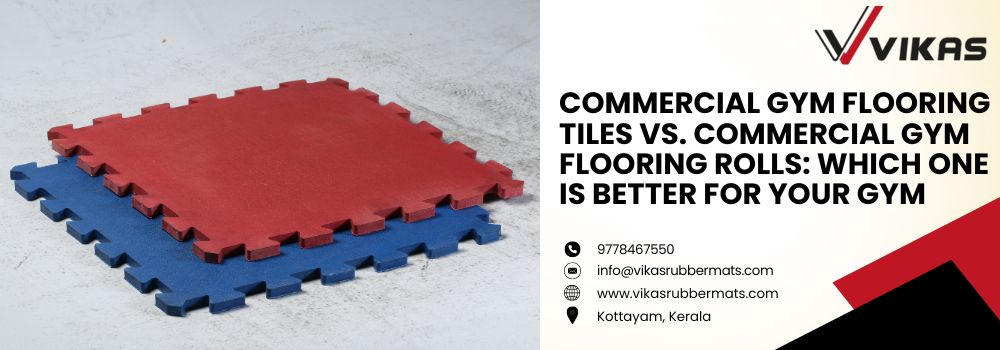
Rubber Flooring (Rolls, Tiles, or Interlocking Mats)
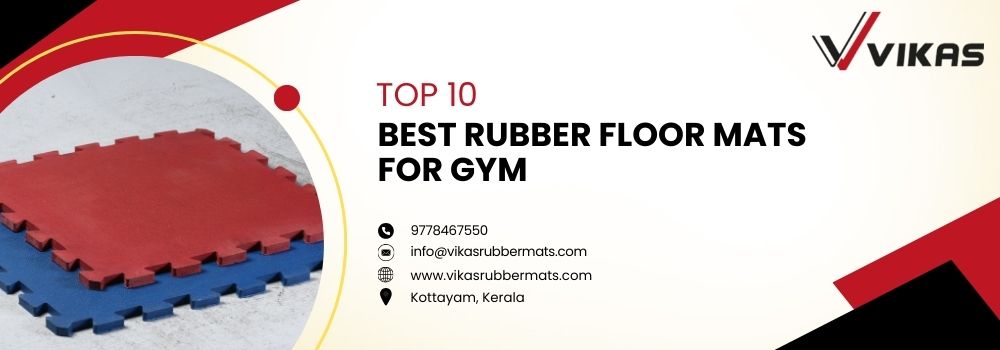
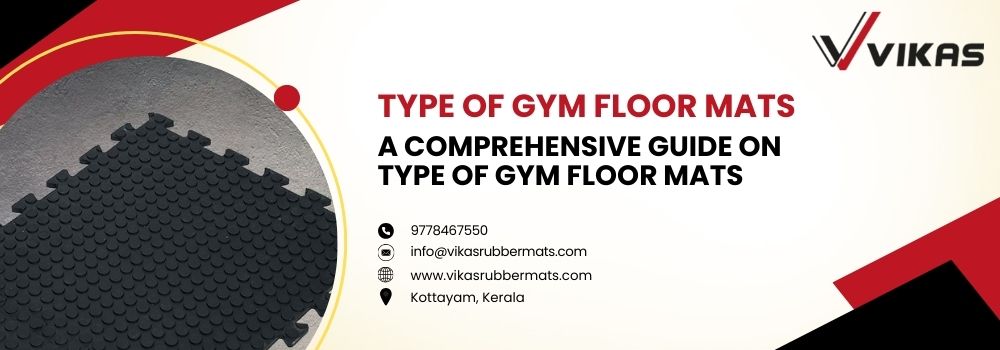
Rubber gym flooring is one of the best choices for gyms because it is strong, durable, and made to handle heavy daily use. It protects the floor from heavy gym equipment and dropped weights while providing a safe, comfortable, and slip-resistant workout surface. Looking for rubber flooring for your gym? See our full Gym Flooring Range, including Solid Top, Coin Top, and Interlocking Gym Tiles.
Turf (Synthetic Grass)
Gym turf has become very popular for functional training because it provides a surface with low friction that is ideal for dynamic movements, which standard rubber cannot support.
High-Density Foam (EVA Foam)
Foam flooring is soft and comfortable, which makes it suitable for light workloads, yoga, and stretching. However, it is not designed for heavy gym equipment or weightlifting, as it can easily compress, tear, or lose its shape under heavy loads.
Wood or Laminate/Vinyl Plank Flooring
These materials are chosen for their stability and visual appeal in specific, low-impact zones.
Zone-BY-Zone Flooring Recommendations
A successful commercial gym utilises specific flooring types and thicknesses in various zones to optimise performance and protection.
1. The Heavy Weight Lifting and Free Weight Area (Powerlifting, Deadlifts, Squats)
This is the area that offers the greatest challenge and, therefore, the highest subfloor protection and sound-dampening demands.
Flooring Type: High-Density Rubber Tiles or Vulcanised Rubber.
Recommended Thickness: 15 mm to 30 mm (3/4 inch to 1.2 inches).
Purpose:
- Impact Absorption: The thicker material takes away the energy from dropped barbells and dumbbells, and alongside its absorbing quality, the already weakened strength of the concrete subfloor is further reduced, therefore, eliminating the possibility of any damage whatsoever to the concrete subfloor.
- Sound and Vibration Reduction: Reduces to a great extent the loud "clank" typically linked with heavy lifting, thus, the noise remaining within the vicinity and not disturb the other gym areas.
- Grip: Gives the necessary firm and non-slip surface that is essential for the stabilisation of the heavy lifts.
Special Note: For Olympic Lifting Platforms that are exclusively for use, heavy-duty dual-layer rubber (20mm mat over a 10mm roll) or specialised 40mm+ shock absorption pads, along with a finished wood centre, should be used for maximum stability during the lift itself.
2. Cardio and Machine Zone (Treadmills, Ellipticals, Weight Machines)
This part of the building sees a lot of people walking in and out, and at the same time gets the heavy equipment's constant and static load.
Flooring Type: Interlocking Tiles.
Recommended Thickness: 6 mm to 10 mm (1/4 inch to 3/8 inch).
Purpose:
- Vibration Control: It absorbs the constant running of equipment that vibrates the floor and thus lessens the wear and tear of the machines.
- Subfloor Protection: Guarantees that the subfloor is free from any damage, such as scratches and indentations that are caused by the weight of the machines.
- Durability: It gives a surface that is always there and is resilient against harsh conditions like continuous foot traffic.
3. Functional Training and Agility Zone
This area is not only meant for change but also for movement workouts.
Flooring Type: Synthetic Turf (in strips or sections) paired up with a Medium-Density Rubber Roll (for bodyweight exercises).
Recommended Thickness (Turf): Low-pile turf with a thin 5 mm to 8 mm shock pad underneath.
Recommended Thickness (Rubber): 8 mm to 10 mm.
Purpose:
- Turf: provides proper friction and glide for sledge pushes/pulls, tyre flips, and sprints without damaging the surface or slowing the movement excessively.
- Rubber: stable footing and protection mark the area for plyometrics, kettlebell swings, and general strength exercises.
4. Studio and Mind/Body Area (Yoga, Pilates, Barre, Group Fitness)
You need this area to have a very comfortable feeling, a very stable setting, and a very clean and professional appearance.
Flooring Type: The kind of flooring that will be used is Commercial-Grade Luxury Vinyl Plank/Tile (LVP/LVT) or High-Density Wood Flooring.
Recommended thickness: standard LVP/LVT (typically 5mm-8mm). If wood is being used, a sprung floor system is the best.
Purpose:
- Stability and Firmness: It is very important to have hard, non-bouncing surfaces for balance, posture, and movements in dance or yoga.
- Aesthetics and Hygiene: Maintains a clean, inviting atmosphere and can be easily kept up, especially LVP/LVT, which is resistant to sweat and spills.
- Comfort (Optional): In case the studio focuses solely on floor work (e.g. Pilates Reformers), a High-Density EVA Foam Mat can be placed over the hard floor for specific sessions.
5. Entryways, Hallways, and Locker Rooms
Hygiene, water resistance, and longevity against chemical cleaners are the main considerations for these areas.
Flooring Type: Commercial-Grade Ceramic Tile or High-Quality Vinyl Sheet Flooring.
Purpose:
- Water Resistance: Critical for places that have water, sweat, and cleaning solutions, thereby stopping mould and subfloor damage.
- Slip Resistance: Tiles ought to have a rough, fall-resistant finish to avoid accidents in wet places.
- Durability: Should bear the constant cleaning and heavy, non-athletic foot traffic.
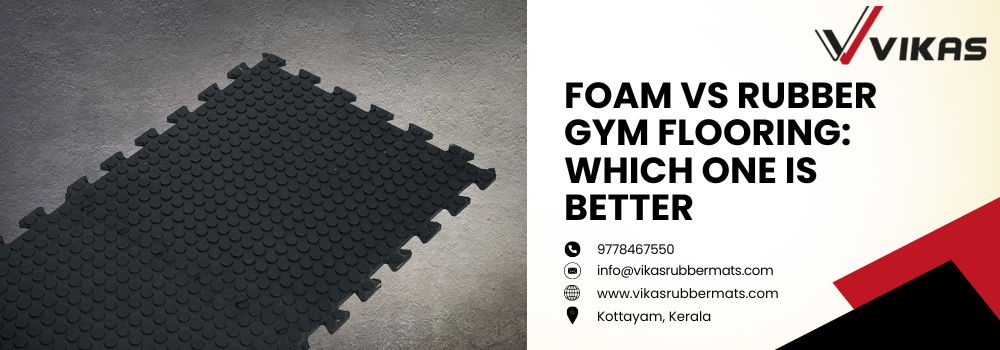
Read More: Foam Vs Rubber Gym Flooring: Which One is Better
Final Thoughts
Choosing the right flooring type for commercial gym is a smart investment for the long-term. High-quality rubber gym flooring lasts longer, protects your subfloor, reduces noise, and creates a safer workout environment. Using the right gym mat thickness for each workout area also helps to improve performance and reduce maintenance costs.
At Vikas Rubber Mats, we offer durable and reliable rubber gym mats for commercial gyms, fitness centres, sports academies, and home gyms. Our team can help you choose the best flooring solution based on your gym’s layout and training needs. Contact us today for expert advice and a free customised gym flooring quote.
Call or WhatsApp: +91 96450 05044
Email: info@vikasrubbermats.com
Certification


