


Driven by experience
Exporter of Rubber Products worldwide


When you have to improve your barn’s resting facilities, chances are high that you have already encountered two terms that sound quite alike – cubicle mats and free stall mats. While both products serve similar purposes in keeping your cows comfy when they rest, the fact remains that there are clear differences between the two and choosing the wrong one might have an impact on lying time, hock scores, and even maintenance costs. Let us find out more about these differences.
What Are Cubicle Mats and How Do They Work in Dairy Barns?
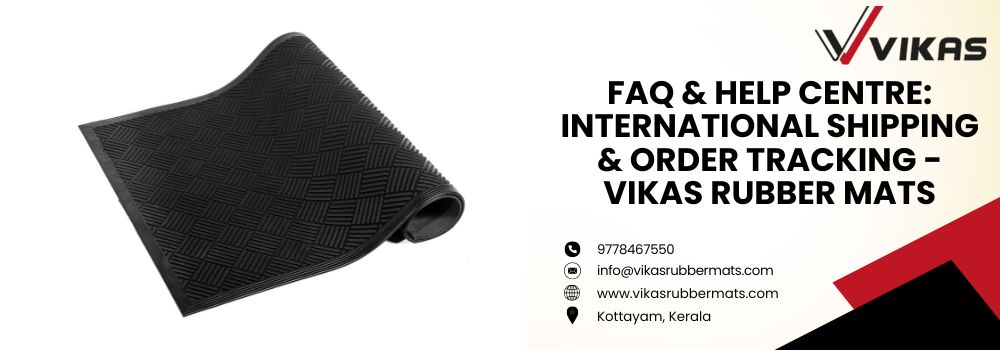
Cubicle mats are rubber mats that are specially made to fit in the individual cubicle partitions or stalls. These mats provide each cow with a dedicated resting place that is a thick rubber mat placed on the hard concrete base in order to provide a firm and uniform surface while still offering the necessary cushioning of knees, hocks, and brisket when lying down and getting up.
Key Features of Rubber Cubicle Mats
These rubber mats have a textured upper surface, which provides good traction, a solid rubber inner core for shock-absorbing purposes, and edges that may be bevelled or even interlocking to help secure them in place inside the cubicle frame. Compared to free stall mattresses, these mats are thinner and firmer.
Where Cubicle Mats are Commonly Placed
They are mostly found in the barns that have a cubicle housing system with dividers and in which each animal has her own cubicle space. These mats can be used both in newly built barns as well as old ones.
What Are Free Stall Mats and Why Dairy Farms Rely on Them?
Free stall mats, on the other hand, function on the same principle but are designed for free stall barns where the animals have unrestricted access to walk between various resting areas in the stalls and do not need to remain in the same assigned stall all day long.
Free Stall Mats vs Mattresses: Key Distinctions
The regular free stall mat has only one rubber layer; the free stall mattress normally comprises both a rubber coating and a foam, crumb rubber or gel filling underneath it, providing additional cushioning. The mattresses provide more comfort and promote lying for more hours, although they cost more than regular free stall mats.
Free Stall Matting: Common Types of Materials
The most common materials for free stall mats are rubber or recycled rubber compounds. These materials withstand repeated load-bearing, as well as manure and disinfectant chemicals applied during cleaning.
Cubicle Mats vs Free Stall Mats: Key Differences Explained
Despite the similar purposes of these two materials, the distinctions between cubicle mats and free stall mats emerge easily when considering the following criteria of their comparison: comfort, cost, and durability.
Comparison of Comfort and Cushioning
Free stall mats and mattresses offer greater cushioning in comparison with traditional cubicle mats due to their layered structure. The latter is designed to be rather firm to ensure greater longevity in cubicles. While farms seeking maximum lying comfort prefer the former option, farms desiring greater firmness prefer the latter.
Difference in Cost and Installation
Cubicle mats tend to be cheaper and faster to install as they are made of a single piece of rubber designed to fit into an already existing cubicle. In contrast to this, free stall mats, especially mattress-type systems, have more material and layered installation that increases both cost of materials and labour required.
Durability and Maintenance
- Cubicle mats: firm surface, fewer layers, higher durability and ease of cleaning by hosing.
- Free stall mats: layered installation may cause accumulation of moisture in the long run if seams are not properly sealed.
- Both types need regular inspection for such defects as edge lifting, cracking or compaction reducing cushioning properties.
Which One Does Your Dairy Farm Need: Cubicle Mats or Free Stall Mats
The right choice between cubicle mats and free stall mats depends less on which product is 'better' and more on which matches your barn's design and management style.
Factors to Consider Before Choosing
- Barn layout: divided cubicles call for cubicle mats; open free stall housing calls for free stall mats.
- Budget: cubicle mats typically offer a lower entry cost per stall.
- Comfort priority: herds with higher lameness or lying-time concerns often benefit from cushioned free stall mattresses.
- Cleaning routine: firmer cubicle mats tend to be quicker to scrape and hose down daily.
Herd Size and Barn Layout Considerations
Larger herds with high cow turnover in shared free stall housing often favour free stall mats or mattresses for consistent comfort across many cows using the same stalls throughout the day. Smaller or more traditionally partitioned barns tend to favour cubicle mats for their simplicity and lower per-stall cost.
Benefits of Choosing the Right Stall Flooring for Cow Comfort
Either way, having your flooring match your barn system is crucial for the performance of your herd.
Influence on Resting Time and Milk Yield
Comfortable and adequately cushioned stall flooring, like cubicle matting or free stall matting, allows the cow to spend more resting time because she does not have to stand on uncomfortable and painful concrete all the time for rumination and milk production.
Prevention of Hock and Joint Injuries
The cushioning of the stall will ensure that there is no friction and pressure on the hocks and joints when rising and resting.
Final Thoughts
The use of cubicle mats and free stall mats is preferable compared to concrete, although they have different requirements for barn layout. Cubicle mats work well for partitioned and fixed stalls in search of value and longevity, while free stall mats are more suitable for open housing systems where deeper padding enhances long periods of lying down. The correct choice depends on the barn design and herd requirements.
Frequently Asked Questions
Are cubicle mats and free stall mats the same thing?
No. Cubicle mats are designed for individual, partitioned cubicle stalls, while free stall mats are built for open free stall housing systems, and the two differ in construction, thickness, and typical cushioning level.
Can free stall mats be used in cubicle barns?
In some cases, free stall mats can be cut to fit cubicle dimensions, but purpose-built cubicle mats are generally a better fit since they're designed for the tighter, partitioned space and edge fittings of cubicle housing.
Do free stall mattresses last longer than rubber mats?
Rubber-only mats, including cubicle mats and basic free stall mats, are typically more resistant to long-term compaction than foam-filled mattresses, though quality mattresses can still offer many years of reliable use with proper maintenance.

Certification


